Know before you go: Starting April 2026 Indian Key will be closed for approximately 6 months so contractors can rebuild the Park’s dock.
What is Indian Key?
Indian Key is one of the nine State Parks in the Florida Keys and is located on the east side of Lower and Upper Matecumbe Key, collectively known as Islamorada. It is also one of the best historic sites in the Florida Keys. There are two unique things about it. One, the only way to get there is by boat, fortunately it’s close enough that you can easily kayak to it. Two, it’s a ghost town.
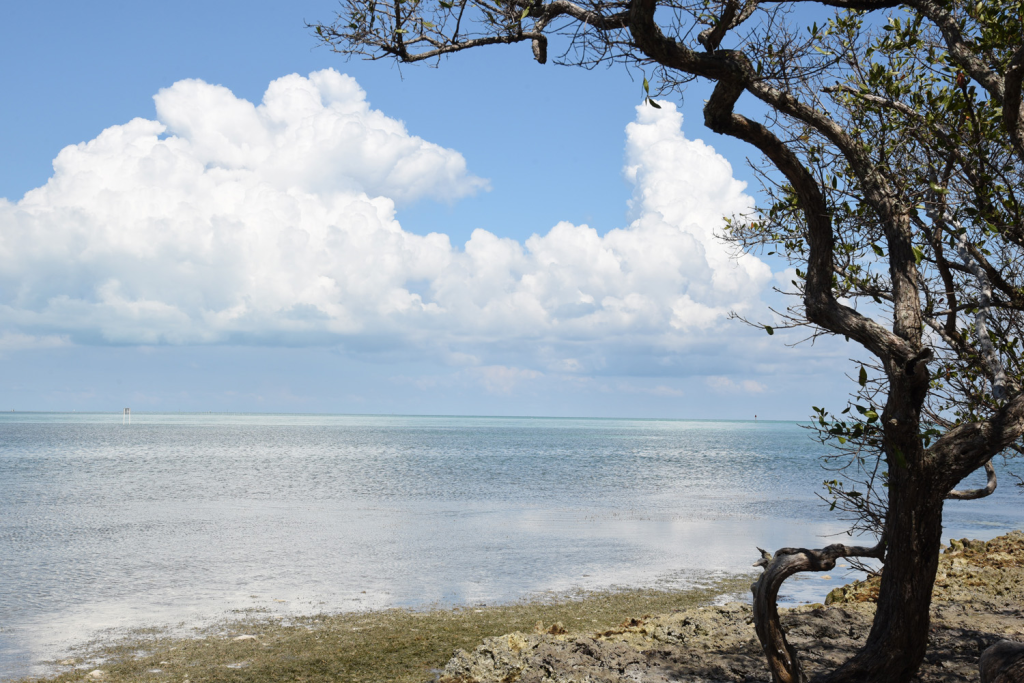
Surrounded by crystal clear water, Indian Key Historic State Park offers history in a tranquil setting. Once a bustling town in the 1800s that got cut down in its prime, it’s now a ghost town with streets and crumbling foundations and some of the best snorkeling around. The island is wooded with West Indian tamarind trees which supply much needed shade.
How to Get to Indian Key (Kayak Launch, Distance & Fees)
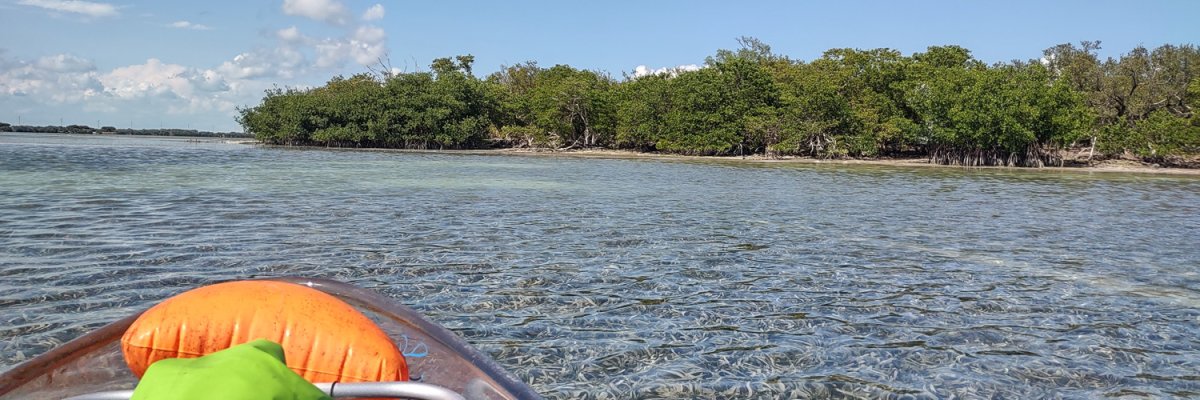
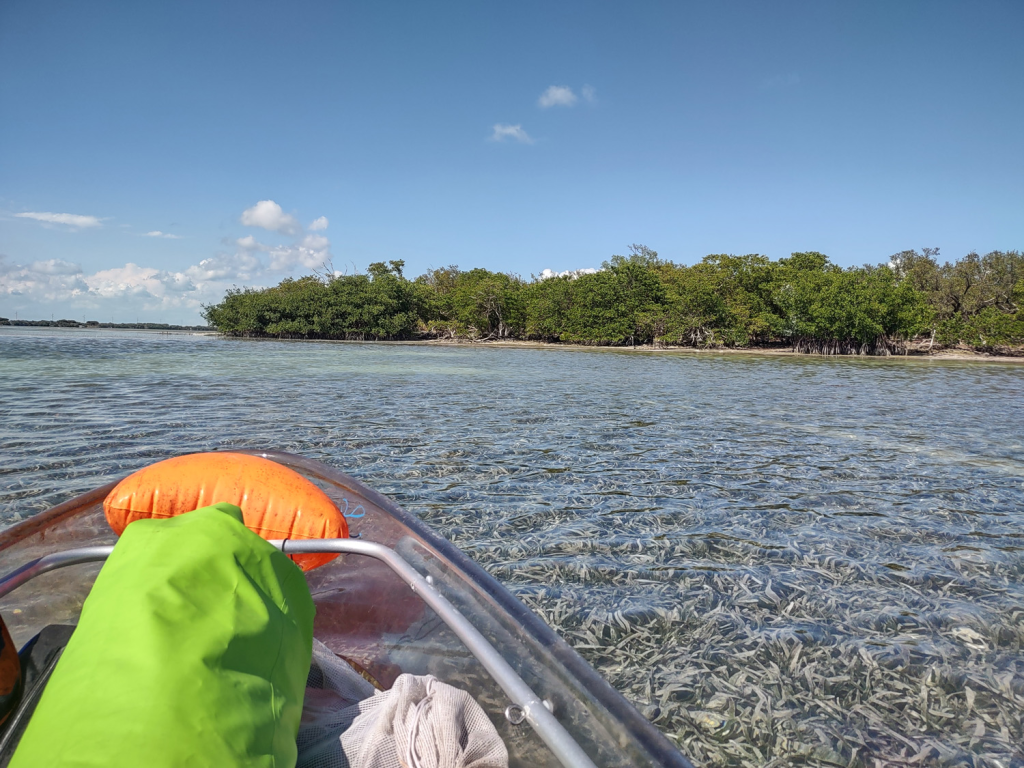
To get there, you can launch your kayak at the parking lot at MM 78. From there it’s about a half mile through shallow crystal-clear water over seagrass flats. On your way keep an eye out for trunk fish, stingrays, and sharks. Head to the south side of the island and you’ll see a “Kayak Landing” sign in the water. Pull your kayak out there, it’s the only designated landing spot on the island. If you don’t have a kayak, you can rent one at Robbies after you’re done feeding the tarpon, or Backcountry Cowboy.
Indian Key is a State Park and there’s a $2.50 entrance fee, bring cash and pay at the Iron Ranger. They do check if you’ve paid so keep your ticket stub.
The History of Indian Key
The Florida Keys are right beside a major shipping lane. Goods being shipped from the western side of the Gulf of Mexico and South America going to the East Coast of America as well as Europe all went through the Florida Straits. Unfortunately for shippers, in the 17th century the Florida Keys were notoriously hard to navigate due to dangerous reefs, bad weather, and incomplete charts. Fortunately for the men who rescued the cargos and crew when the ships went on the reefs, the Keys were notoriously hard to navigate due to dangerous reefs, bad weather, and incomplete charts.
Subscribe To Our Newsletter
Current events and awesome pics straight to your inbox!
Shipwreckers in the Florida Keys
One of the main occupations in the Keys during the 1800s was a “shipwrecker”. Wreckers would keep a watch on the reefs and when a ship went aground, they would race out to either get the ship off the reef or salvage the cargo before it got ruined by the seas. Indian Key was the county seat of the upper keys and home to Jacob Housman’s shipwrecking industry. “Wreckers” as they were called, went out in any weather in hopes of being part of the rescue crew of a stranded ship. A judge would award the wrecker a fee for the appraised value of the cargo, usually about 25%.
If you’re heading to Key West learn more about the shipwrecks around the Florida Keys at the Shipwreck Museum.
In 1824 a couple of settlers built a store on Indian Key to supply goods to the people in the surrounding Keys. The location of the island intrigued Jacob Housman, a wrecker who was not a fan of the local government in Key West. He decided that Indian Key was far enough away from Key West and his detractors and started investing in it in 1830. He also set up a wrecking business on the island.
The 1840 Indian Key Massacre
Warehouses, a hotel with a bowling alley, and nearly 30 houses, cottages, and workshops were owned on the island by Housman. Business was booming and Jacob was getting wealthier by the year. That is, until 1835 when the second Seminole war started. There were raids on the Keys in the surrounding area by Seminole Indians. To protect his real estate and his business, Housman paid a security detail to watch over the island. After a few years, tensions seemed to ease and things went back to normal.
One night in August of 1840, which has become known as the Indian Key Massacre, natives invaded the island and started attacking. Many of the residents fled into the waters surrounding the island and survived by hiding under piers. Over two days the Indians set fire to all the buildings on the island.
After losing everything on the island, Housman let the Navy set up a hospital there. But, after that, nobody else ever tried to inhabit Indian Key.
Exploring the Indian Key Ghost Town Today
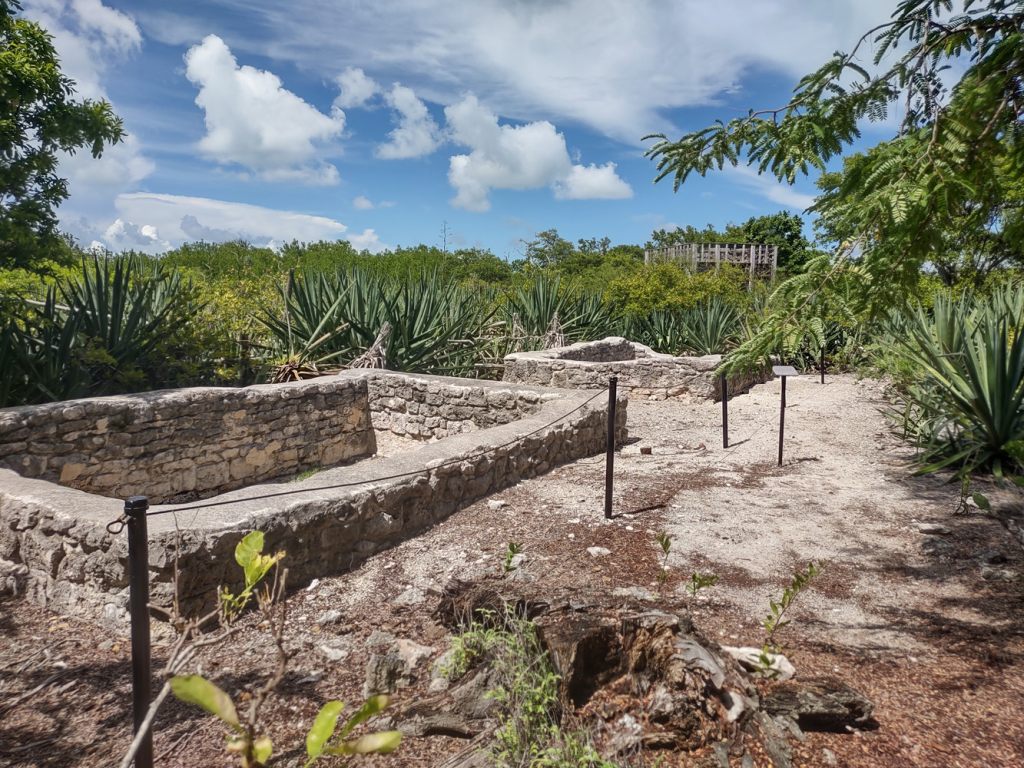
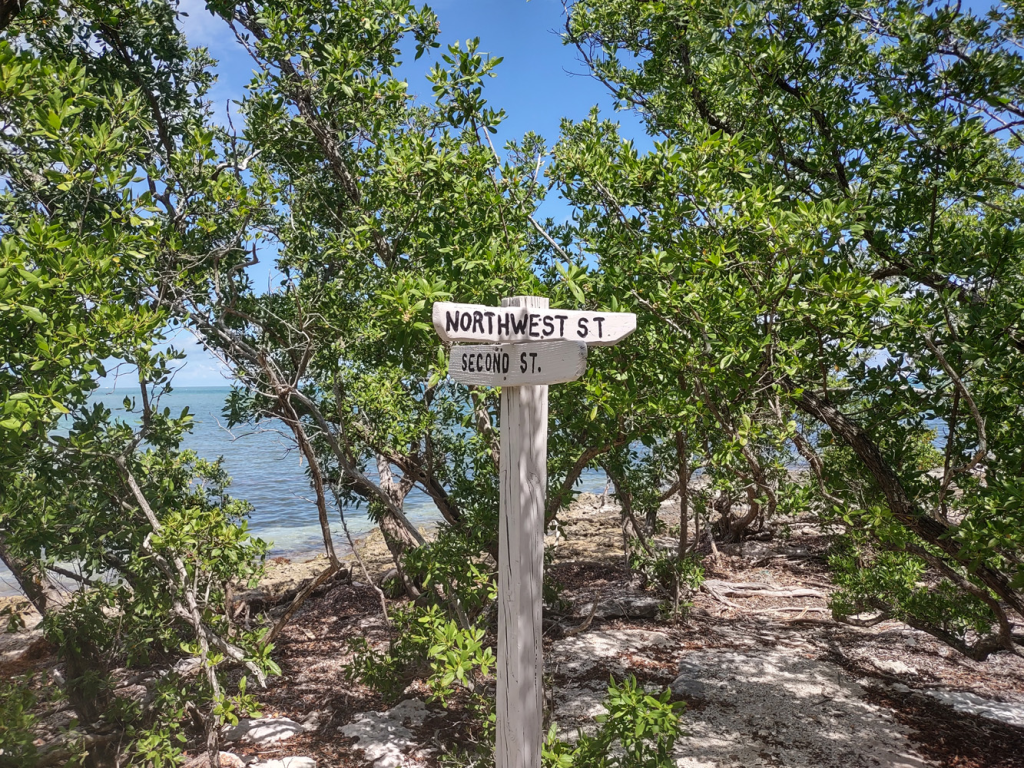
Today, you can walk the streets just like the residents did back in the 1830s. There aren’t any buildings left, but there are foundations, fireplaces, and cisterns from when the island was bustling. Walk to the west end of the island and climb the observation deck for fantastic views of the surrounding Keys. As you travel the recreated gravel roads, there are informative plaques in front of places of interest that paint a picture of what the island looked like in its prime. Pro Tip: download the Florida Stories app on your phone and have your personal narrated tour.
Snorkeling at Indian Key
Taking Center Street to the east end of the island will lead you to a bench with great views of the Alligator Reef Lighthouse. Named after a ship that ran aground on the reef, a lighthouse has been in use there in one form or another since 1873.
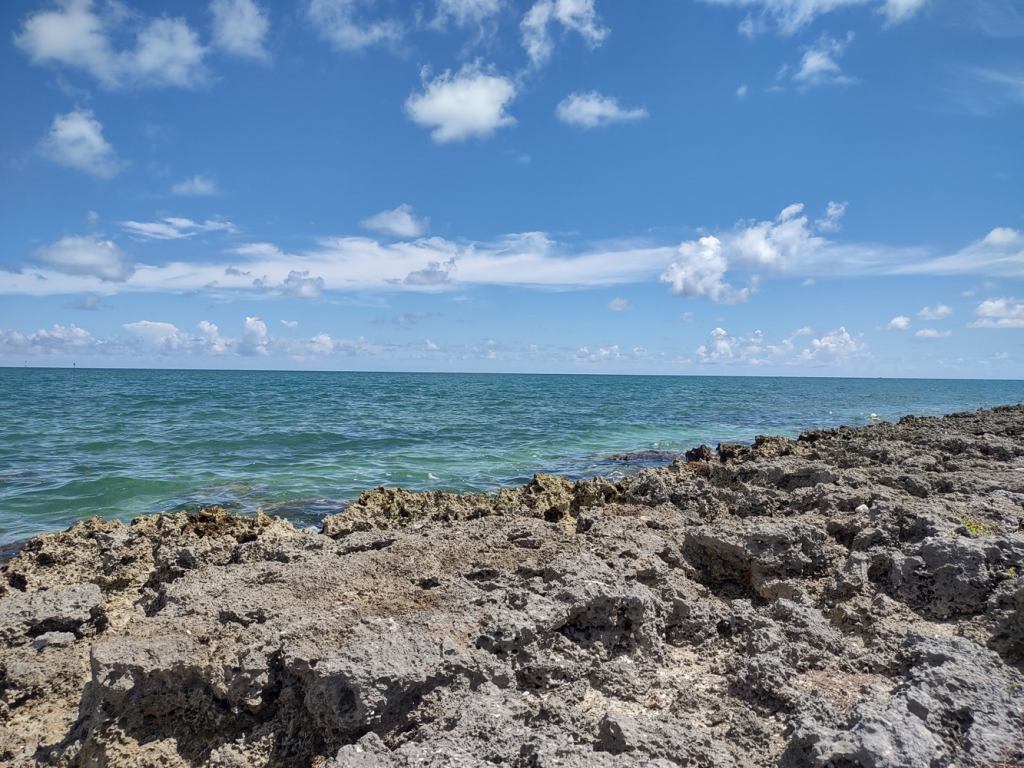
Once you get your fill of the view, grab your snorkel gear and get into the water for some of the best close to shore snorkeling in the Keys. In the water you’ll see schools of reef fish, including colorful French grunts, snappers, tons of parrotfish, little blue tangs, groupers, even the much-maligned barracuda. Conch and coral abound in the area, just leave it where you see it. It’s protected and illegal to remove from the area. Be sure to wear some type of water shoe, the shore is made up of fossilized coral, and it will do a number on bare feet.
What to Bring
There is no fresh water on Indian Key, so bring plenty of water and other hydrating products. The good thing is that no freshwater equals no mosquitos, so you won’t need bug spray. There is no camping on the island, so no need to pack that tent into your kayak. And remember to pack out all your trash as there are no trash cans on the island.
Make sure that you bring snorkel gear, you don’t want to miss out. Some type of water shoe is recommended, that fossilize coral will do a number on bare feet. Sun protection in the form of a hat, long sleeved shirt, and or reef safe sunscreen will keep you from pain at the end of the day. And don’t forget your cash for the entrance fee.
To learn more about Islamorada, check out this Islamorada travel guide.
After you’ve finished exploring Indian Key State Park, head on over to the History of Diving Museum and discover how they dove the wrecks to salvage cargo in the 15-18th centuries.
FAQs
You can only reach Indian Key by boat or kayak. Most visitors launch from MM 78 in Islamorada and paddle the half‑mile across shallow, clear water to the island.
Indian Key was once a thriving 1800s wrecking village. After the 1840 Seminole attack destroyed the settlement, it was never rebuilt, leaving only foundations and ruins.
Yes. Indian Key offers excellent close‑to‑shore snorkeling with parrotfish, snappers, tangs, and coral. Water shoes are recommended due to the fossilized coral shoreline.
No. Indian Key has no fresh water, no camping, and no trash cans. Visitors must bring water and pack out everything they bring.
The entrance fee is $2.50 per person, paid at the Iron Ranger. Rangers do check for payment, so keep your ticket stub.
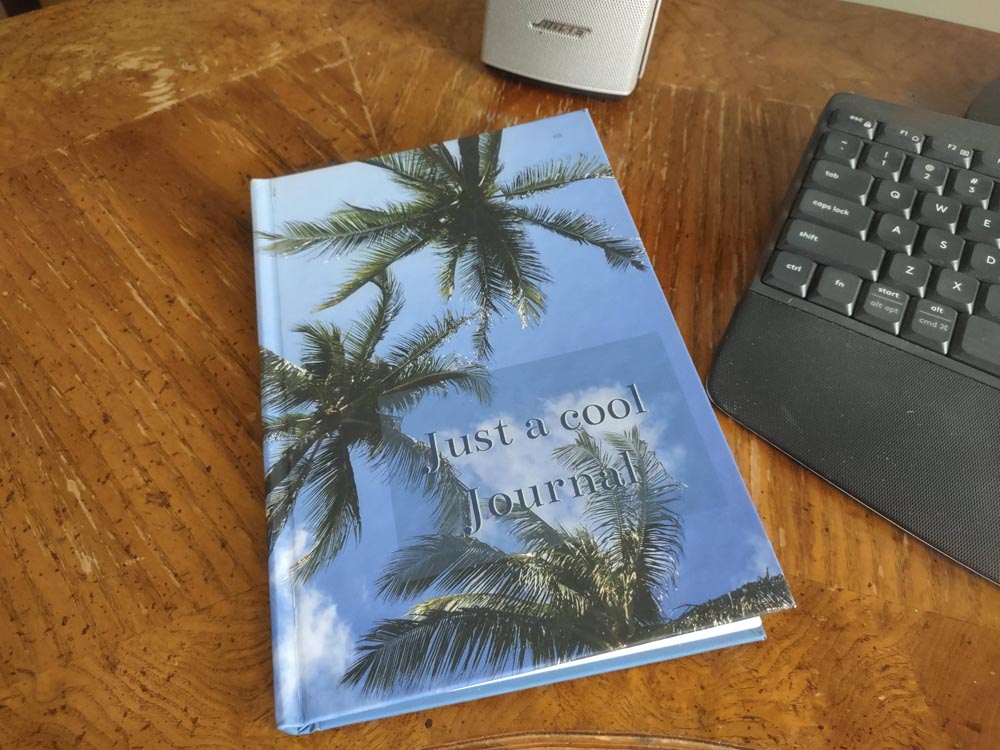
Write Your Florida Keys Story
If places like Indian Key inspire you, you’ll love my Florida Keys travel journals. They’re built for travelers who want to document the history, the ruins, the quiet moments, and the discoveries that make each trip unforgettable. Start writing your own adventure.
Related Posts
John Pennekamp Coral Reef State Park
The History of the Overseas Highway