What is Pigeon Key
Pigeon Key is that small island on the west side of the Seven-Mile Bridge that you pass while you’re speeding down the Overseas Highway on your way to Key West. What you might not know about is the big part that this small island played in the construction of, not only the Seven-Mile Bridge that you’re driving on today, but also the Overseas Railway that came before it.
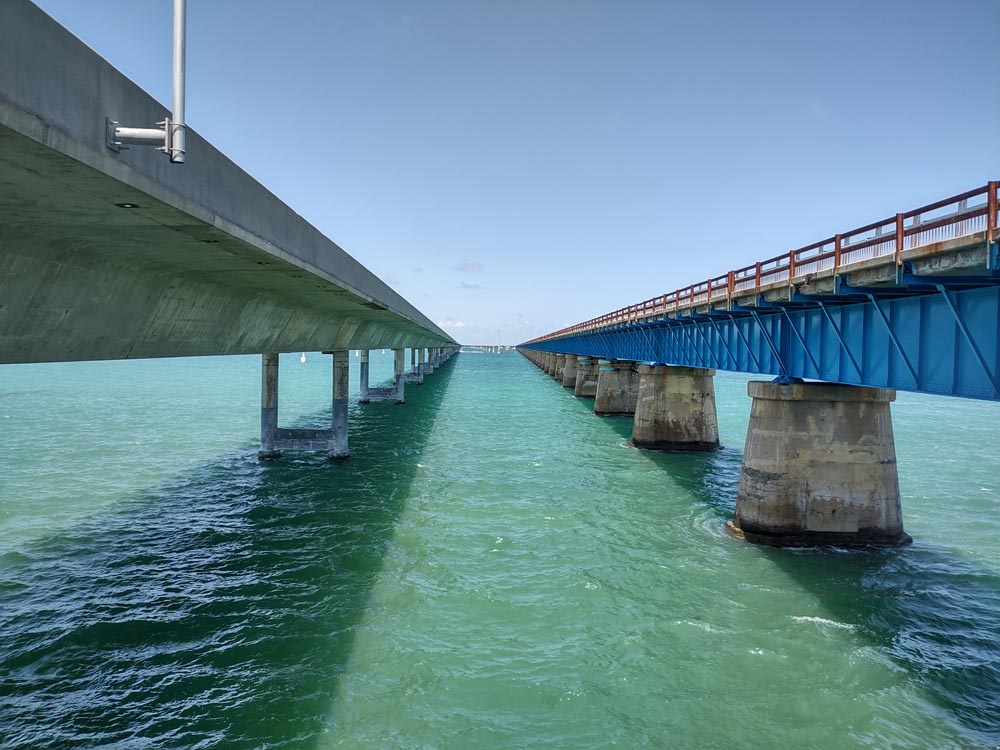
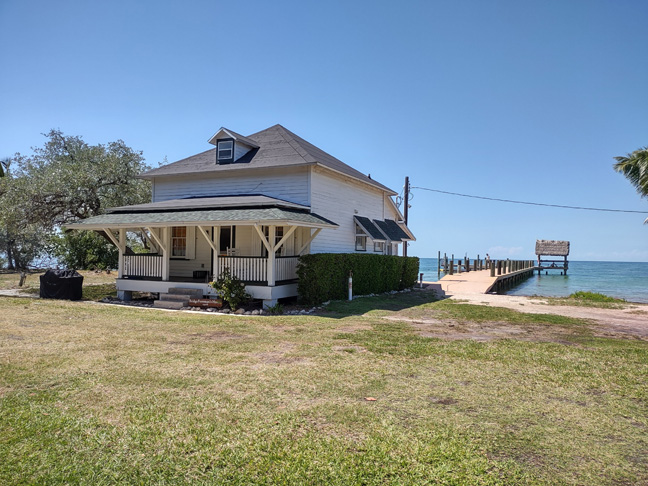
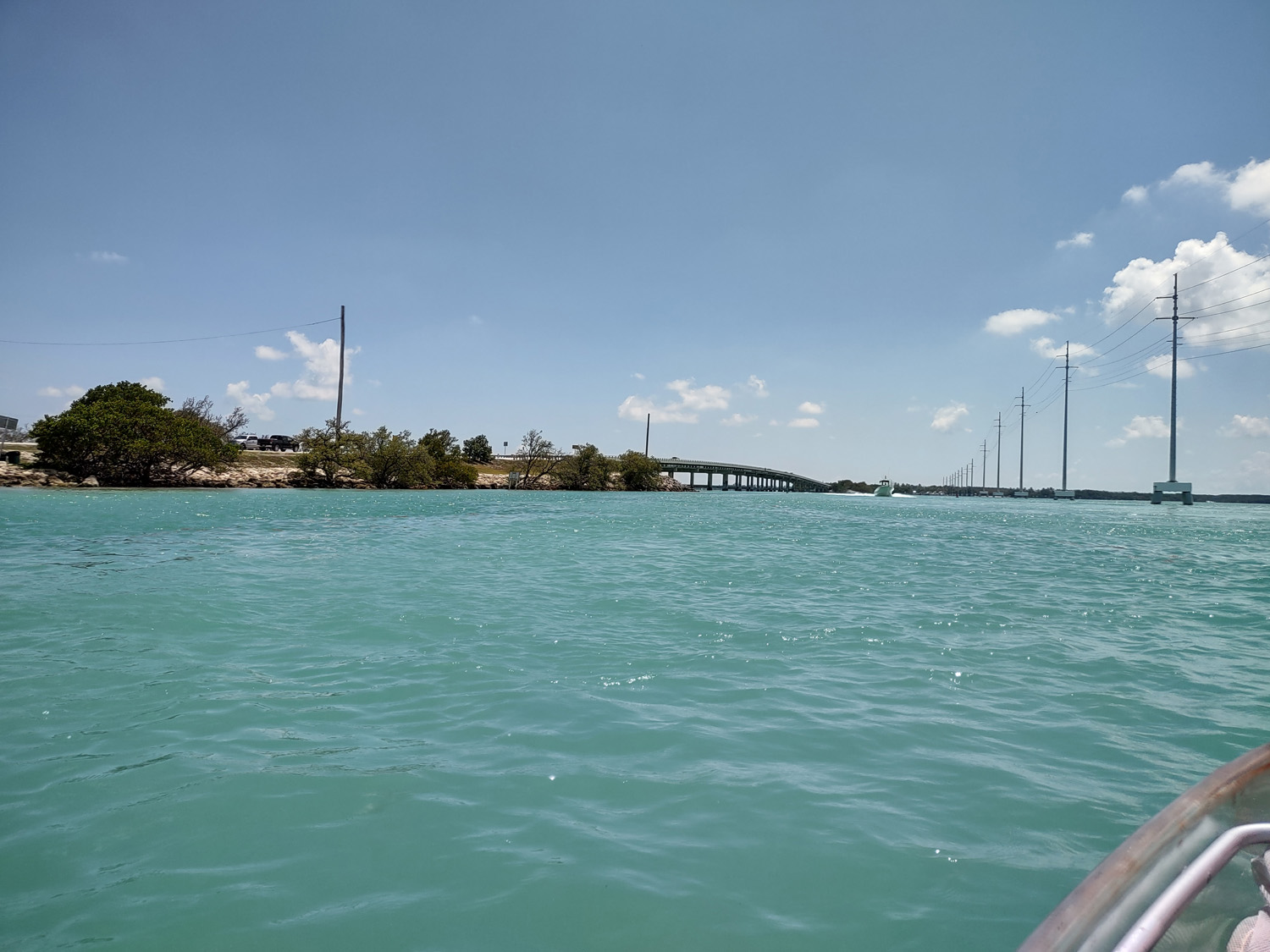
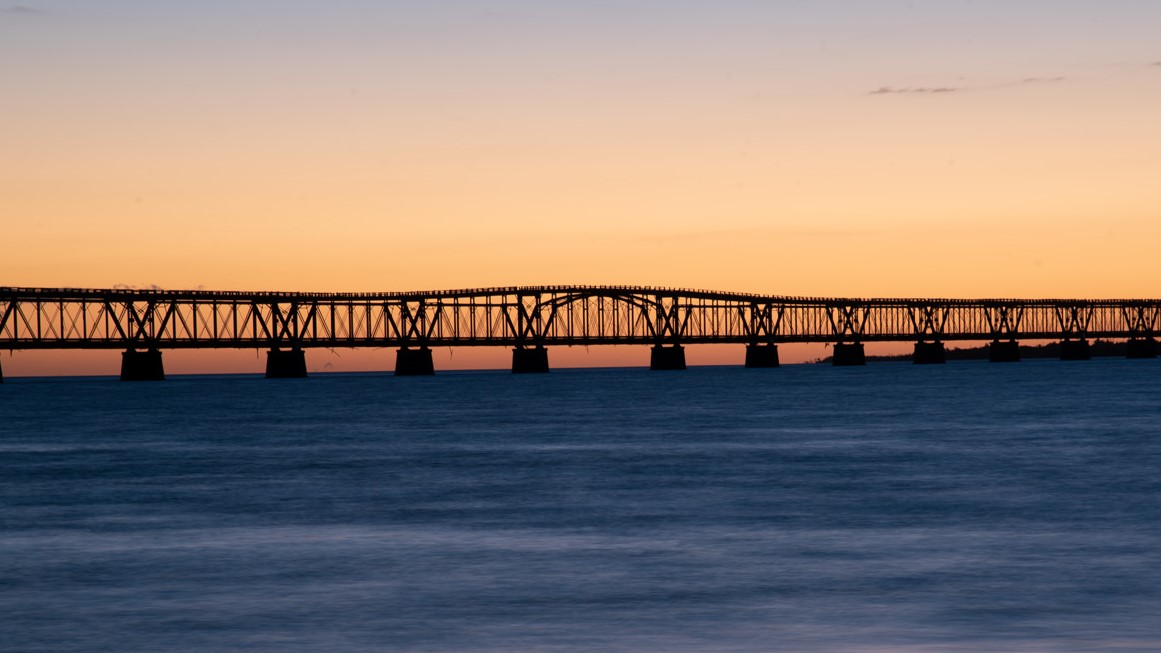
Pigeon Key sits between the old Seven Mile Bridge and the new Seven Mile Bridge surrounded by stunning turquoise waters filled with abundant marine life. Cool ocean breezes cross this 5-acre island that’s populated by palm trees, historic buildings and spectacular views!
Why Pigeon Key Matters in Florida Keys History
Before 1912 the only way to get from island to island in the Florida Keys was by boat with an occasional bridge sprinkled about. In the late 1800s there was talk of the Panama Canal being built and that perked the interest of oil tycoon Henry Flagler. Henry figured that all that shipping traffic that would be coming through the Straits of Florida would be a boon to Key West and its deep-water port. He just needed an easy way to get people and cargo from Miami to Key West.
The popular mode of transportation and shipping at the time was by train. The logistics of building 42 bridges over 128 miles of rail over islands and open water was considered not feasible. After being told that it would be impossible to build a railway through the Keys, Flagler did what any self-respecting self-made millionaire would do. He said something along the lines of, “oh yeah, watch me”.
Construction Starts
Starting construction in 1908 and officially opening in 1912, the Overseas Railway was called the eighth wonder of the world. The workers battled hurricanes, mosquitos, and even an unknown lake to complete the project. By 1935, between the Panama Canal trade business not panning out and the Great Depression, the railway was in financial trouble. Then in 1935, disaster struck, and the Labor Day Hurricane pretty much wiped out the railway along with a lot of the bridges that supported it. That was the final nail in the coffin for the struggling train line.
The state of Florida ended up buying the right of way and constructed the Overseas Highway where the railway used to be. For the bridges, in some cases, they just poured concrete over the existing trestles and used the old tracks as guard rails. In extreme situations when the trestles were too narrow for two lanes, they turned the tops of the structure into the road (see Bahia Honda Bridge). Yeah, imagine driving at night on that narrow road a hundred feet high as a truck is bearing down on you.
Pigeon Key History
What does this all have to do with Pigeon Key you might ask? Pigeon Key is where the workers who built the railway and highway lived. Not only that, but after the Overseas Highway was completed in 1938, Pigeon Key was at one time or another, the toll road headquarters, housed research facilities, and the Coast Guard barracks.
In 1982 when the modern Seven Mile Bridge that runs parallel to the original was opened, the old bridge was closed to traffic. Starting in 1990 Pigeon Key was designated a historic district by the National Register of Historic Places. In 1992 the non-profit Pigeon Key and Marine Science Center was formed to protect the island and its history. From 2016 to 2022 the old bridge from Marathon to Pigeon Key was refurbished, and today you can walk across it and explore history.
Today, Pigeon Key is set up more for history and education than construction. Summer camps for kids, marine research, and tours of the island are what the residents do no
How to Get to Pigeon Key
Subscribe To Our Newsletter
Keep up to date on events and happenings in the Florida Keys!
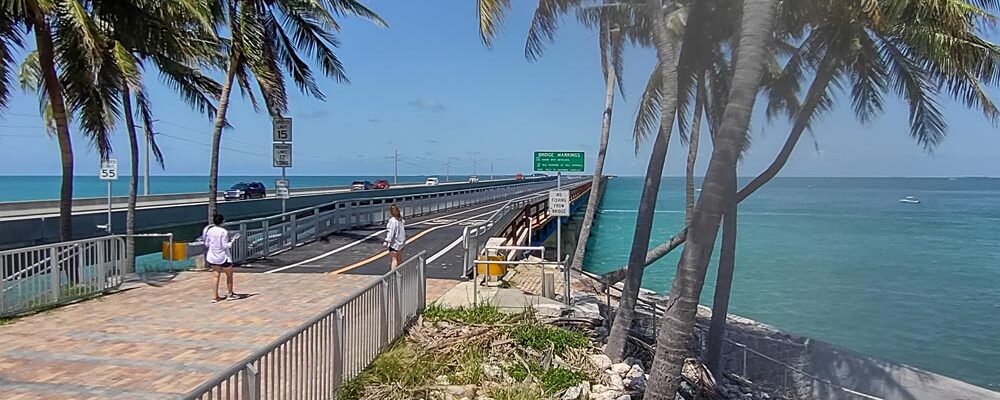
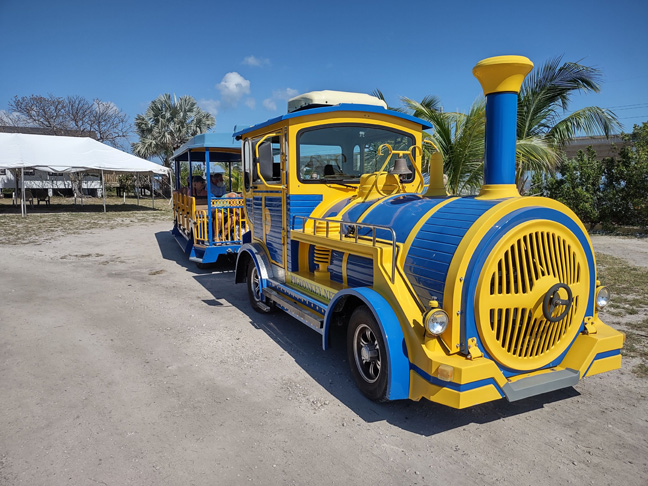
There are three ways to get to the island from Marathon. There’s a daily shuttle that runs four times a day or you can walk or bike across the bridge. Finally, you can come by boat and dock at their pier. The cost is the same as for walking, with specials for locals and veterans. All admissions include a guided tour of the island and its historical buildings.
Another fantastic thing to do in Marathon is the Crane Point Hammock and Museum. See the oldest building in the Florida Keys outside of Key West, get a fish pedicure, explore the hammock, and see the way the Keys used to look.
Walking the Old Seven Mile Bridge
As you cross the bridge be sure to keep an eye out below, in the water you’ll see sea turtles, tarpon, dolphins, and even an occasional shark. Also, look at the guard rails, yeah, that’s the old railroad track. If you’re walking or biking during the heat of the summer, it will get hot, so you’ll want to bring plenty of water.
What to Expect on Pigeon Key
If you’re not taking the trolley, you can pay your admission at the tent at the end of the driveway as you come onto the island. Pro tip: for the best adventure, walk the two miles on the old highway and when you get there you can pay for the trolley to ride back. That way you can spend as long as you want on the island and get chauffeured back to the parking lot.
Once you meet up with your guide, you’ll tour the Pigeon Key museum and learn the history of the island and its past inhabitants. Each tour lasts about an hour and covers the history and changes of the island over the last 100 years. If you’re on the 11:30 and 1:00 tours, you get an extra treat, you can witness the staff feeding the sharks. So, make sure that you’re on your best behavior during those tours, you don’t want to become shark bait.
If you take the trolley, after your tour you’ll have an extra hour to explore the island. If you walked, biked, or boated you can take as long as you want, as long as you’re out by 4:00.
Things to do on Pigeon Key
Pigeon Key is open every day from 9 am to 4 pm. The Museum, dock, and grounds are open to all visitors.
Bring a lunch and enjoy a picnic under swaying palm trees, with an ocean breeze that keeps you cool. There are picnic tables throughout the grounds, or you can bring a blanket and picnic like they do in the movies.
The snorkeling is awesome off of the pier. Clear water and plenty of marine life to keep you occupied, you’ll need to bring your own gear. Or just bring your bathing suit and enjoy a refreshing dip in the water.
Fishing is allowed on the island as long as you have the proper license and equipment.
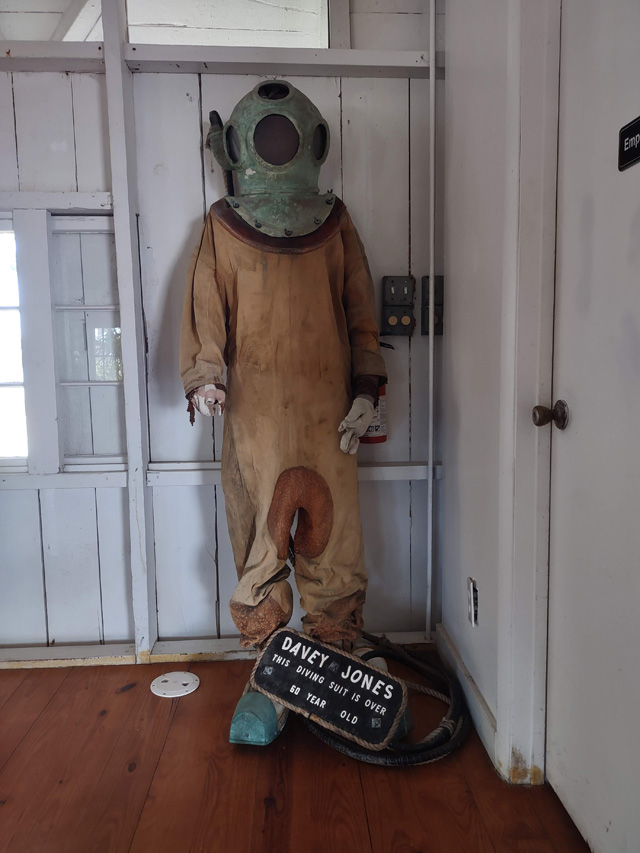
The museum is filled with pictures and artifacts from when the railway and highway were being built up to present day. Tools, letters, and portraits on display will give you a glimpse into what life was like for the workers on the island.
Pigeon Key Summer Camps
Sorry adults, this is only for the kids aged 8-16 for day camps and 10-16 for overnight camps. Staffed by counselors with backgrounds in biology, the focus is on fun, hands-on experiences. The kids will be getting into the water every day to snorkel, swim, and explore the surrounding marine habitat. A trip to Sombrero Reef Lighthouse immerses them in the ecosystem that surrounds the many reefs in the area.
They’ll also learn about shark and squid biology, the biodiversity of reefs, and marine habitats. Hands on experiences include everybody’s favorite activity: dissecting squids.
Hours, Fees, and Tips for Visiting
Hours are 9 – 4 every day except major holidays. Admission is $30/25 for adults/children with specials for veterans and locals if you’re taking the shuttle. You can walk or bike across the Old Seven Mile Bridge for free, admission to the island is $15/12, and it’s the same if you arrive by boat.
Definitely bring water with you to keep you hydrated. Bring a lunch for your picnic, there are no food facilities on the island, but there are picnic tables.
Pigeon Key and Marine Science Center are dedicated to preserving the history of the Henry Flagler era and educating the next generation of marine biologists and preservationists. When you’re on your Florida Keys vacation you should take the time to visit Pigeon Key.
FAQs
Pigeon Key sits beneath the Old Seven Mile Bridge in Marathon, Florida, between the old and new bridge spans.
You can walk or bike the Old Seven Mile Bridge, take the daily trolley shuttle, or arrive by private boat. All admissions include a guided tour.
Visitors can explore historic buildings, snorkel off the pier, enjoy a picnic, fish with a license, and tour the museum filled with railway artifacts.
The walk is about two miles each way along the Old Seven Mile Bridge with beautiful ocean views and frequent wildlife sightings.
Yes. Families enjoy the museum, wildlife viewing, and calm water snorkeling. The island also hosts marine science summer camps for ages 8–16.
Your Next Adventure Starts Here
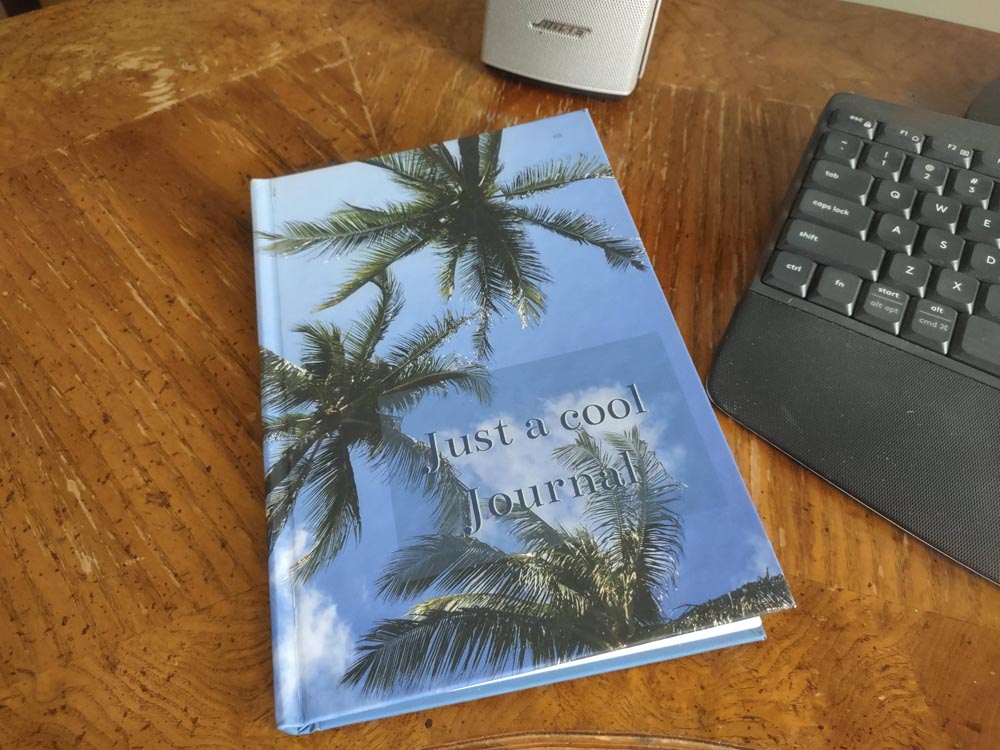
Whether you’re walking the bridge, taking the trolley, or snorkeling off the pier, my Florida Keys travel journals help you plan your day — and remember every moment of it.
Related Posts
How Flagler’s Railway Shaped the Keys
Bahia Honda, Another Historic Bridge in the Keys